Weather class W1 – W4

How much weather has to stop at the fabric?

Every cover here lists its water column in millimetres, whether the seams are taped, and what the sun does to it over time. Four classes, forty-three items, and no adjective standing in for a number.

One panel, two conditions

The same panel in dry sun. These are the figures the fabric was tested to before it went outside.

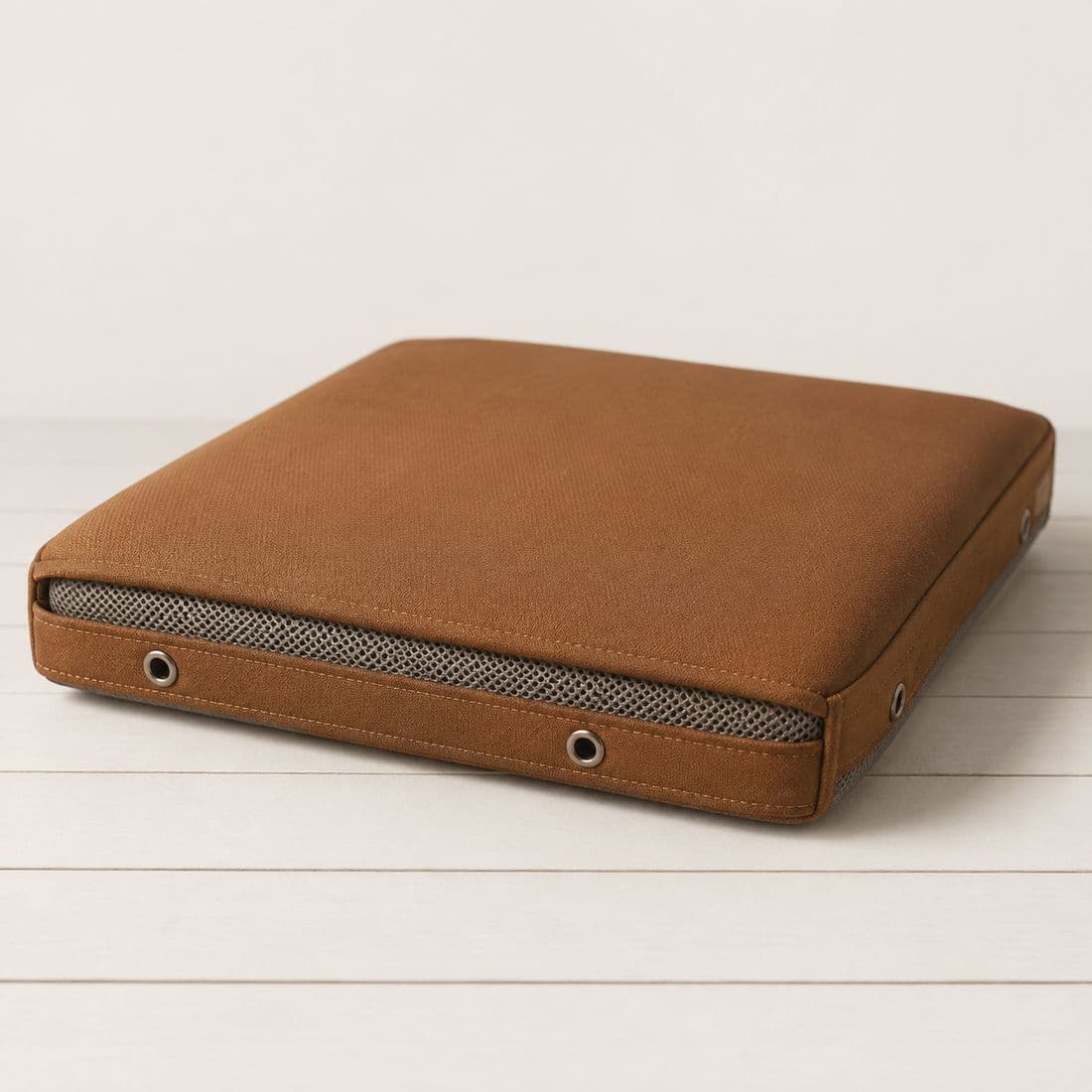
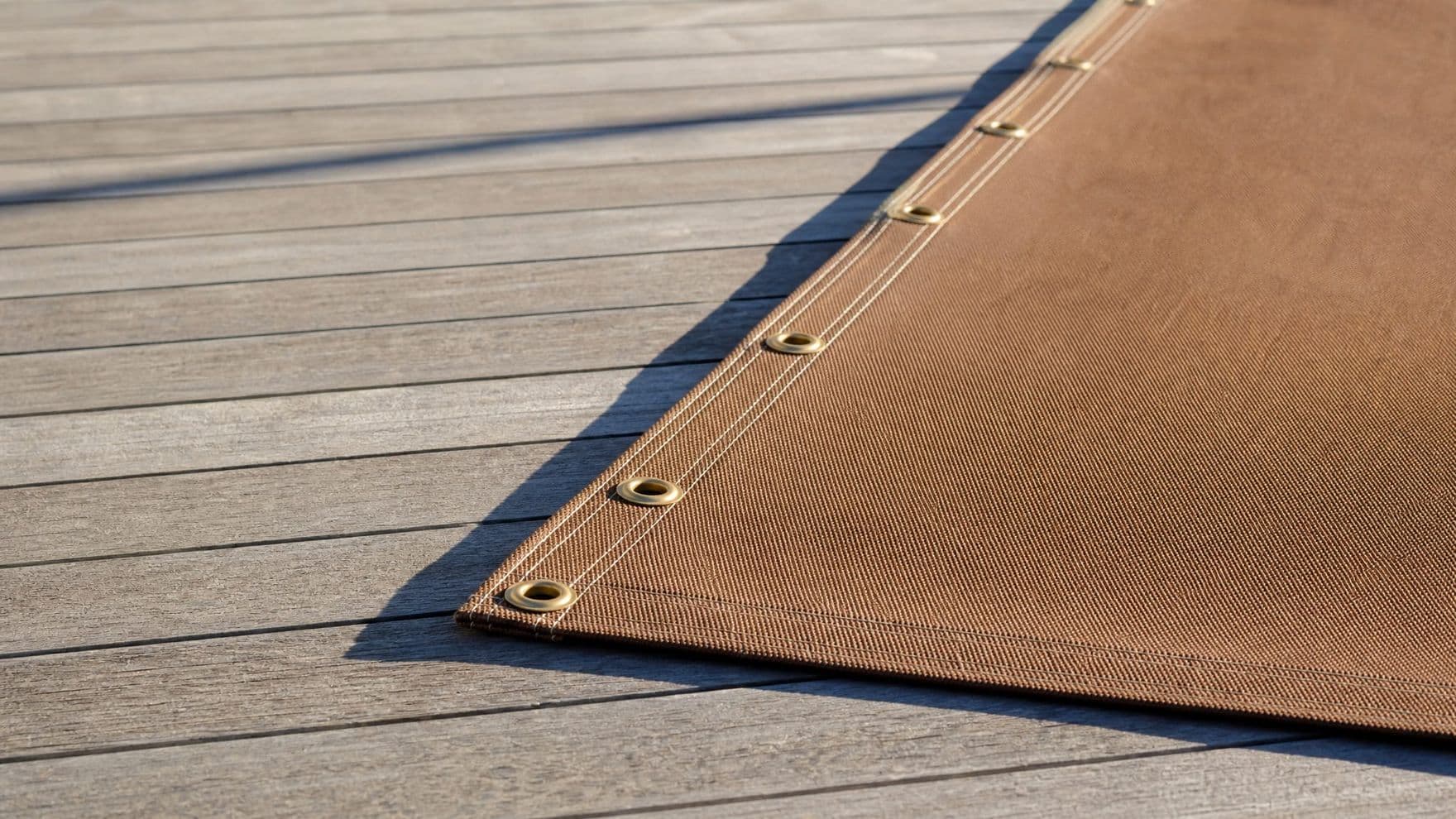
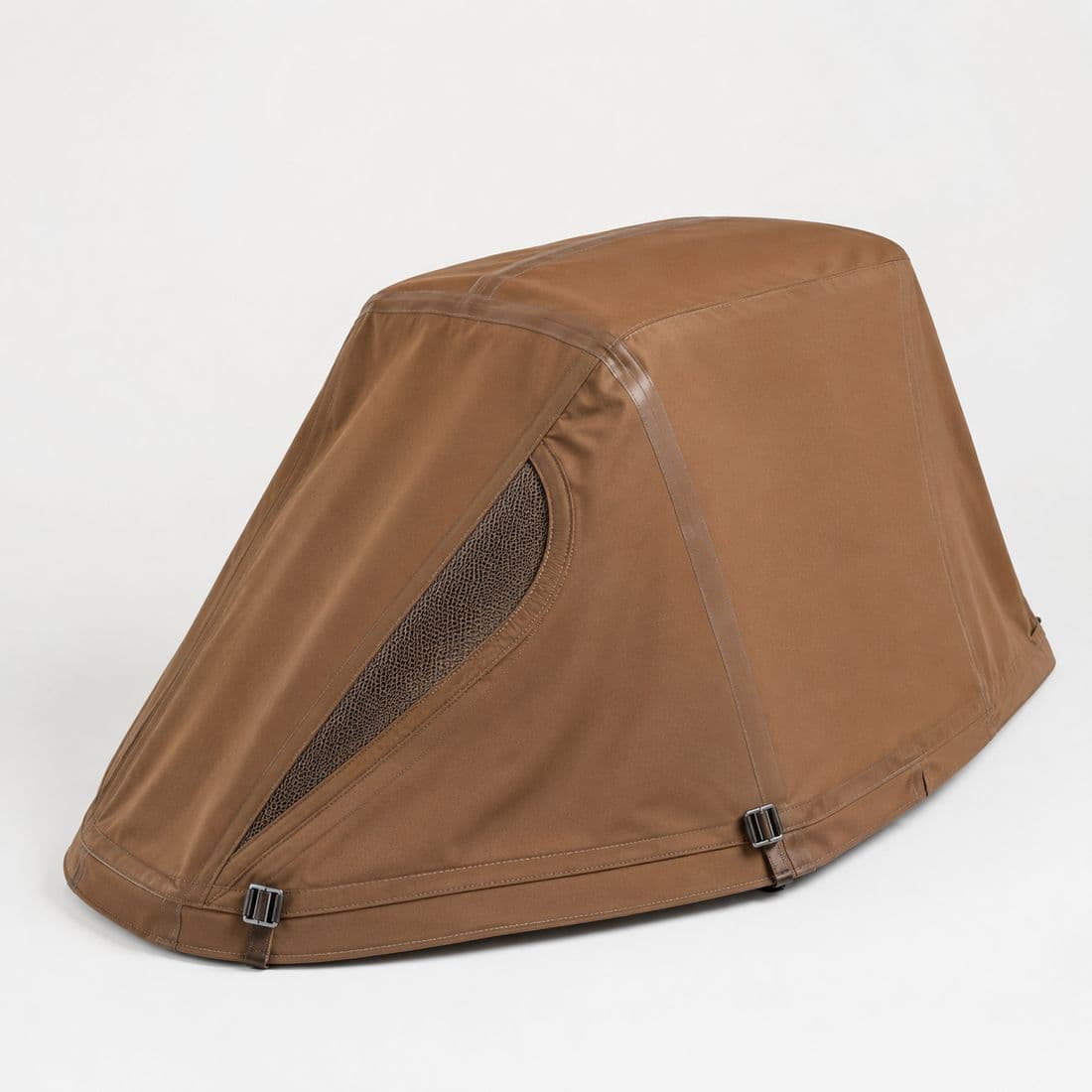
A panel of teak brown acrylic-coated marine canvas lying taut on weathered decking in dry sunlight, its stitched hem and brass eyelets clearly visible.
  • Water column3,200 mm
  • Fabric weight340 g/m²
  • SeamsTaped
Tested to EN 20811. Measured on the fabric, away from any seam.
Weather class
W1 - W4
four steps, defined in millimetres
Water column
600 - 5,500mm
EN 20811, on every coated item
Fabric weight
140 - 500g/m²
printed on every page
Seams
Taped / stitched / welded
stated, never implied
Vents
Marked per item
with the condensation note

The main entrance to this shop

Four classes, each one a range of millimetres.

We do not sort covers by what they go over. We sort them by how much weather has to stop at the fabric, because that is the thing that decides whether a cover works for you.

W1600 - 800mmW21,500 - 2,000mmW33,000 - 5,000mmW45,000 +mm
  1. W1500-800 mm

    Dust and dew

    Keeps dust, pollen and overnight condensation off something that is already under a roof. It is not a rain cover and we do not sell it as one.

    Suited for
    Indoor storage, garages, barns, short-term covering between uses.
    Not suited for
    Anything left in the open through a rainy week.
    11 items in W1
  2. W21,500-2,000 mm

    Rain, one season outdoors

    Sheds rain over a summer season outdoors. Seams on most W2 items are stitched and not taped, which means the seam is the first place water gets through.

    Suited for
    Spring to autumn outdoors, inland, on something you move or check regularly.
    Not suited for
    Winter, coastal salt, or being left untouched for months.
    11 items in W2
  3. W33,000-5,000 mm

    All year outdoors

    Built to stay outdoors through a full year including winter. Taped seams and vents on most items in this class, because a cover that stays on for months has to let condensation out.

    Suited for
    Year-round outdoor use inland, including snow load on a supported frame.
    Not suited for
    Constant salt spray and very high sun hours over several years.
    17 items in W3
  4. W45,000 mm and above

    Long exposure and salt

    The heaviest fabric we carry, for salt air, high sun hours and long periods where nobody takes the cover off. Taped or welded seams, reinforced corners, vents.

    Suited for
    Coastal moorings, long-term outdoor storage, high UV regions.
    Not suited for
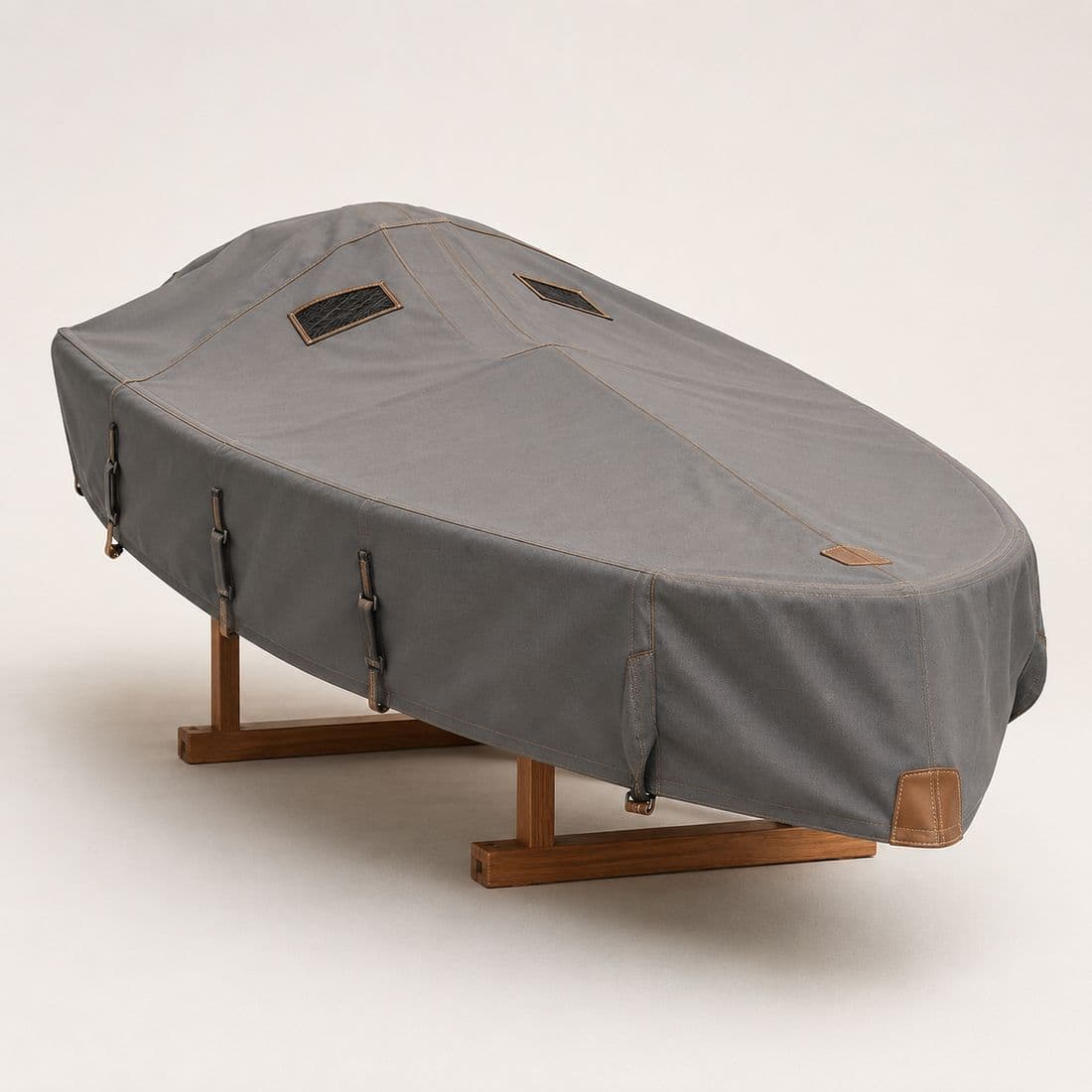
    Nothing we sell survives being left slack on a sharp edge. Fit still matters more than class.
    4 items in W4

These classes describe what the fabric was tested to. They are not a promise about your weather.

What is on every product page

Four numbers, and the one place each of them fails.

Anyone can print a water column figure. The useful part is what sits next to it: whether the seam is sealed, whether the air can get out, and whether anyone actually measured the UV.

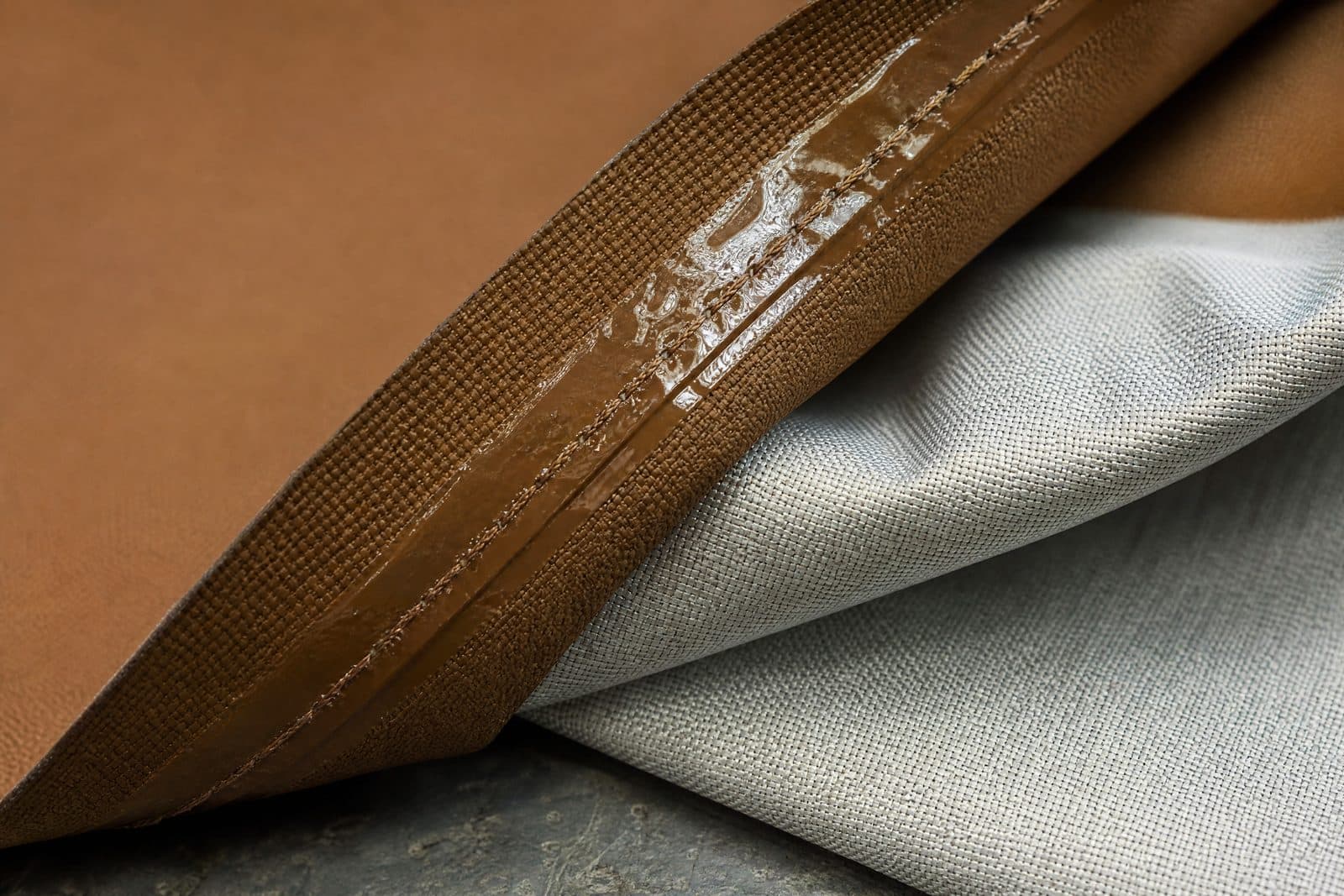
A seam sealed on the underside with a continuous strip of heat-applied tape running over the stitch line.
Taped
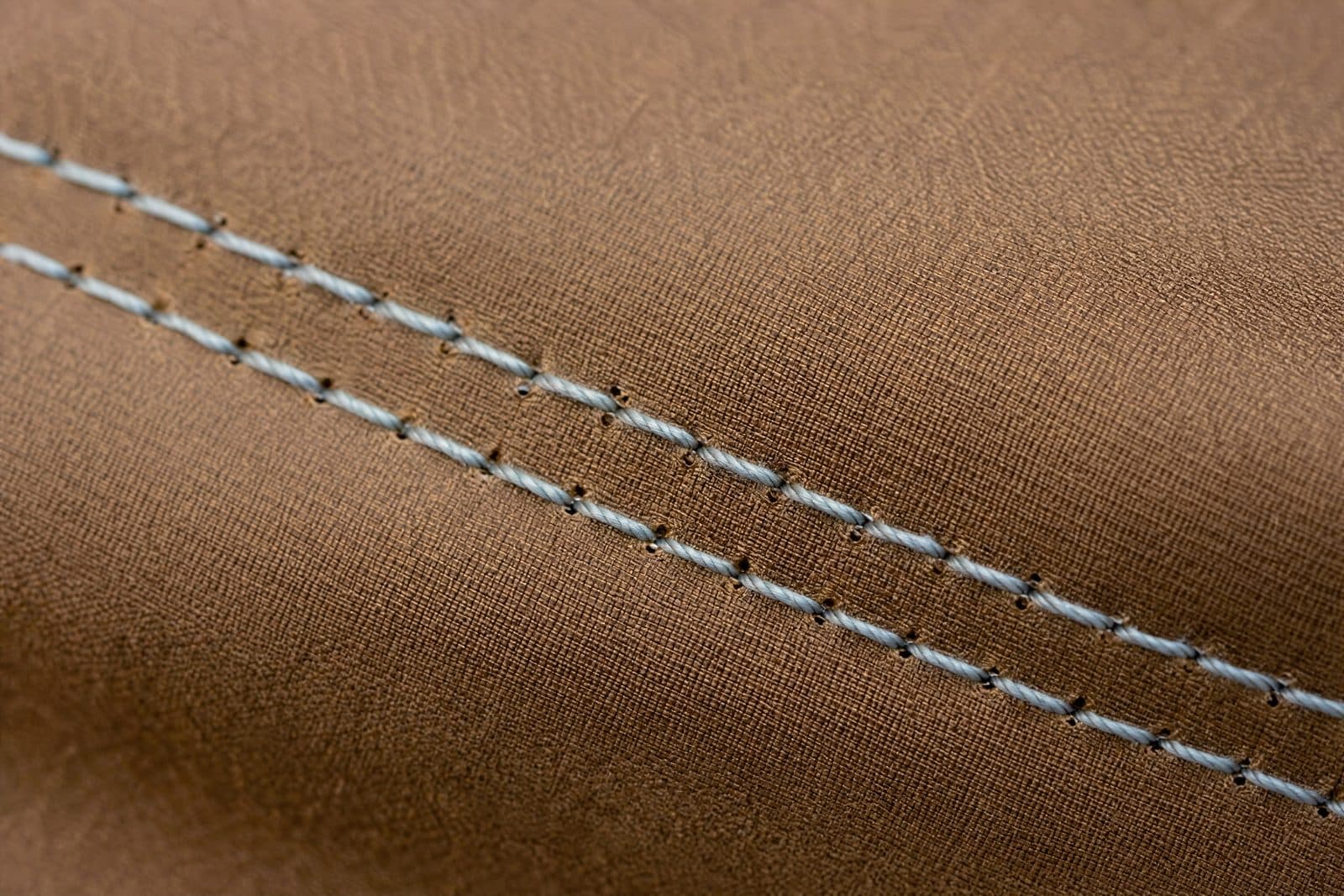
A plain double-row stitched seam with no tape, the needle perforations clearly visible as a line of small open holes.
Stitched, untaped

Seam treatment

A 5,000 mm fabric with open needle holes leaks at 0 mm.

Every needle hole is an opening. Under sustained rain, water finds the seam before it finds the fabric. So we print the seam treatment next to the water column on every page, and where it is stitched and not taped, we say so in those words.
Vents and condensation

The water underneath usually came from the air, not the sky.

NO VENTSMoist air stays in.It condenses, then drips.VENTEDAir moves through, sothe moisture can leave.

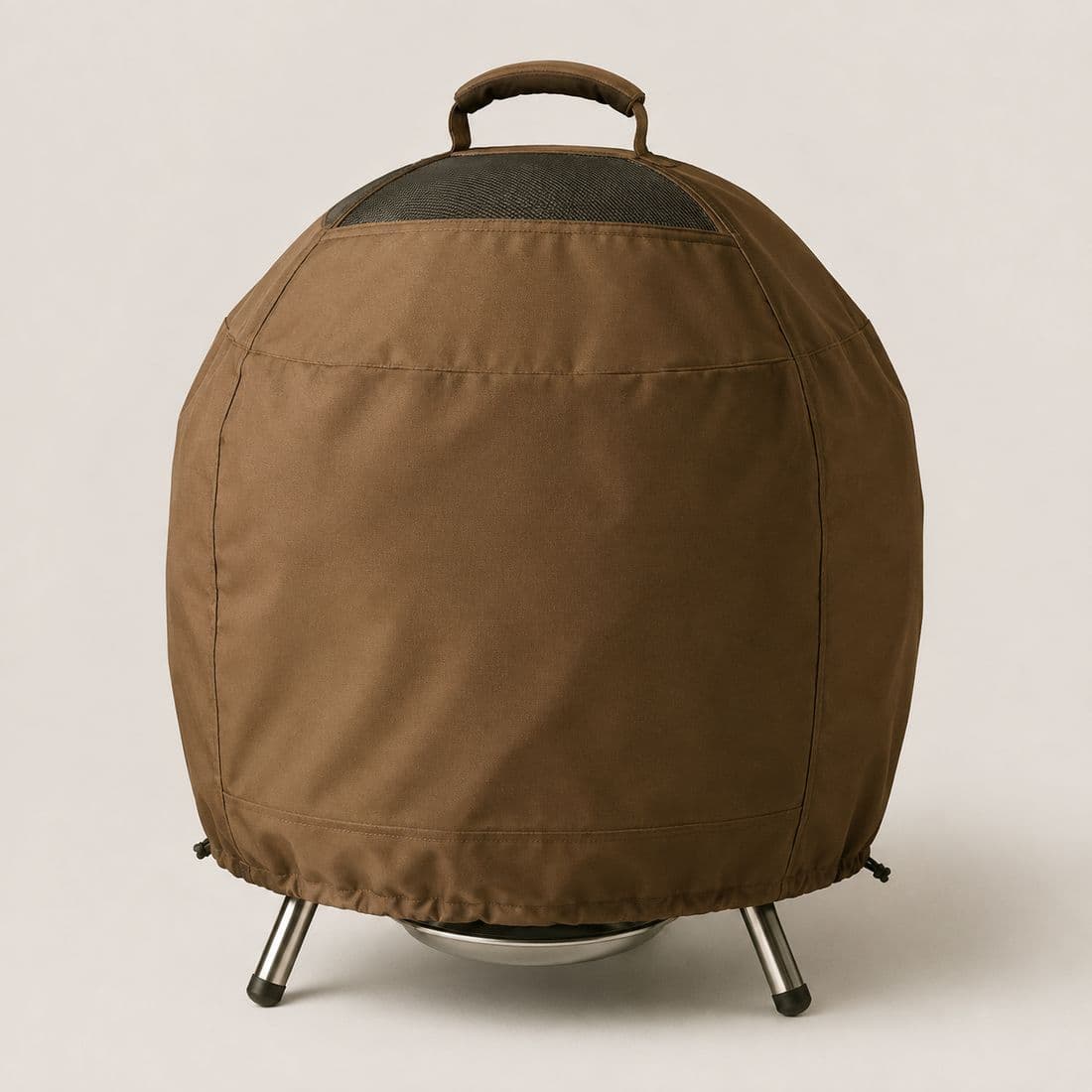
A sealed cover left on for months collects condensation and does more damage than the rain it kept out. Vents are marked on every item, and the ones without them carry the note explaining what that costs you.

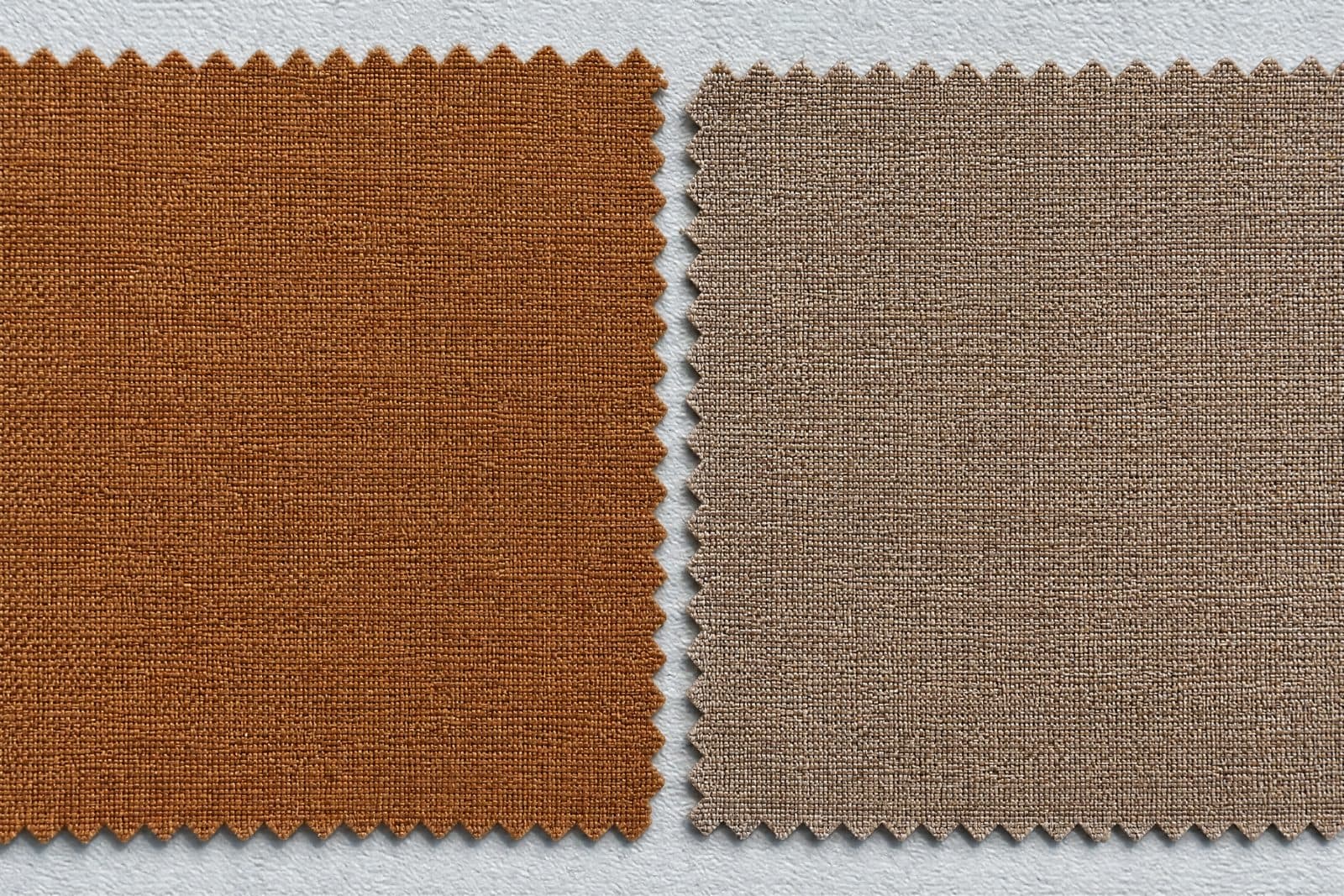
Two swatches of the same fabric side by side: the left deep and saturated, the right visibly faded and chalky after exposure.

UV and fading

We can tell you what a lamp did. We cannot tell you what your summer will do.

12345678BLUE WOOL SCALE8 = held longest

Where a fabric has been through a xenon exposure test, we print the hours and the blue wool grade. Where it has not, the page says not tested rather than leaving the field empty. Only two items here carry a UPF number, because only two have a report behind them.

Four hours, one panel

Water leaving the hem is the cover working. Water under it is usually condensation.

Beading on the surface tells you the coating is intact. It tells you nothing about the seam, and nothing about the air trapped underneath. Both of those are on every product page here.

Forty-three items

Pick by the class, or pick by the thing you are covering.

Before you order

A cover that does not fit fails faster than a cover that is one class too light.

Measure before you order. A cover that is too tight tears at the corners, and one that is too loose flogs in the wind and wears itself out.

  • 01Measure the object, not the old cover. An old cover has stretched, and copying it just repeats the fit you already have.
  • 02Length along the longest side, width at the widest point, height from the ground to the highest fixed part.
  • 03Add nothing for slack. Every pattern here already includes it.
  • 04Send the numbers to us first if you are between two sizes. We would rather answer an email than process a return.
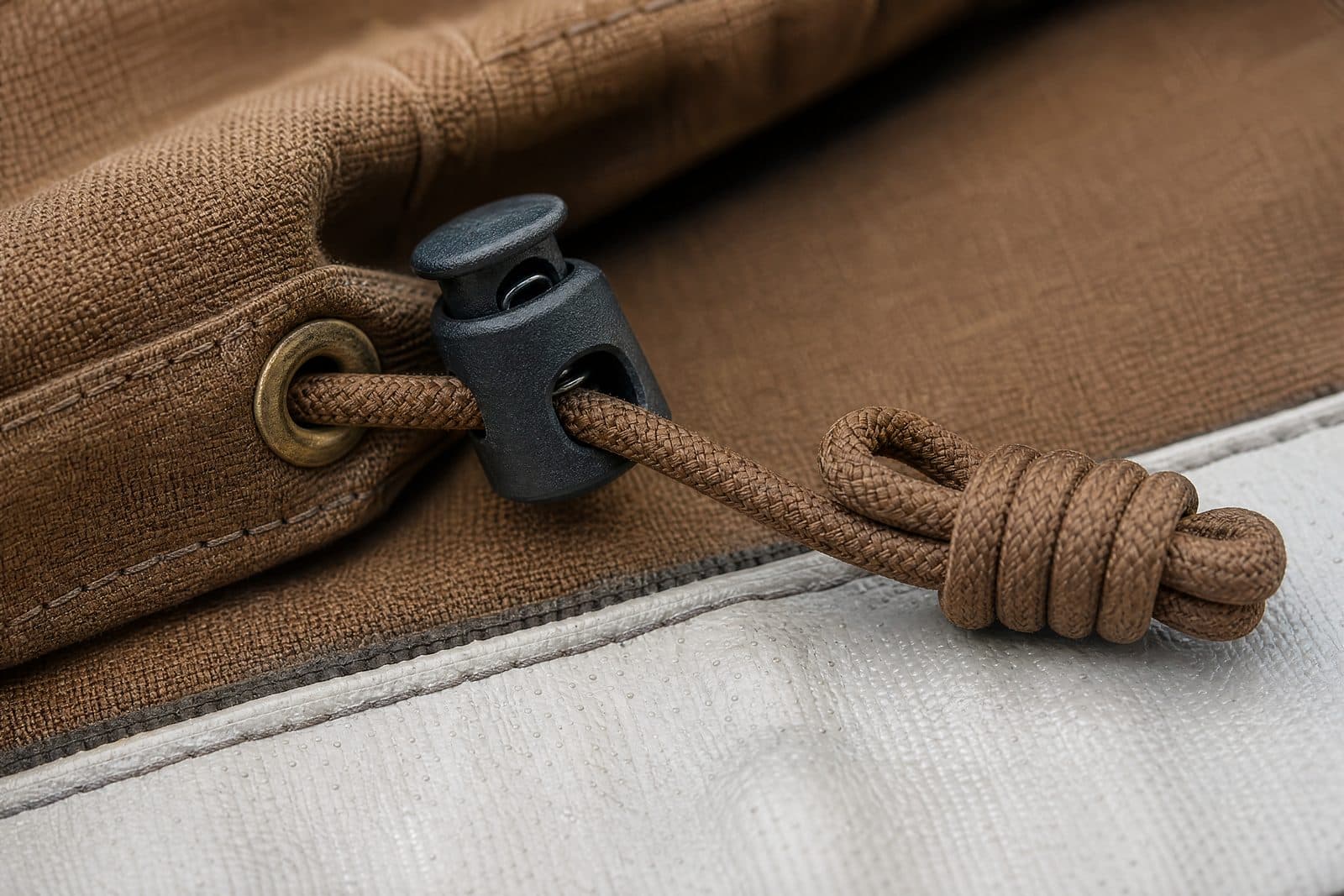
A hem channel with a braided drawcord emerging through a brass eyelet and locked in a spring toggle.
Llongest sideWwidestHMEASURE IN CENTIMETRESNO EXTRA SLACK

Four questions

We do not ask what your boat cost. We ask how long it is outside, and in what.

The class finder recommends downwards when your conditions do not need the heavier fabric, and it tells you plainly when what you were about to buy will not last where you are putting it.

Start the class finder
  • 01

    How long is it outside each year?

    Summer only · Spring to autumn · All year

  • 02

    What is it standing in?

    Indoors · Inland fresh water · Coastal salt · High sun

  • 03

    Does it stay put for months?

    Moved often · Left fastened

  • 04

    What are you covering?

    Boat · Furniture · Cushions · Shade · Storage

What we will not tell you

Four things we could print, and do not.

  • How many seasons it lasts

    That depends on your sun, your salt and how often you wash it. Anyone who gives you a number for that is guessing on your behalf.

  • A wind speed it survives

    It depends far more on how you fastened it and what it is stretched over than on the cloth. We tell you how to fasten it instead.

  • A UPF number without a report

    Thirty-nine of the forty-three items here have never been UV tested, and their pages say so. Two carry a UPF figure because two have a test behind them.

  • That any of this keeps you safe

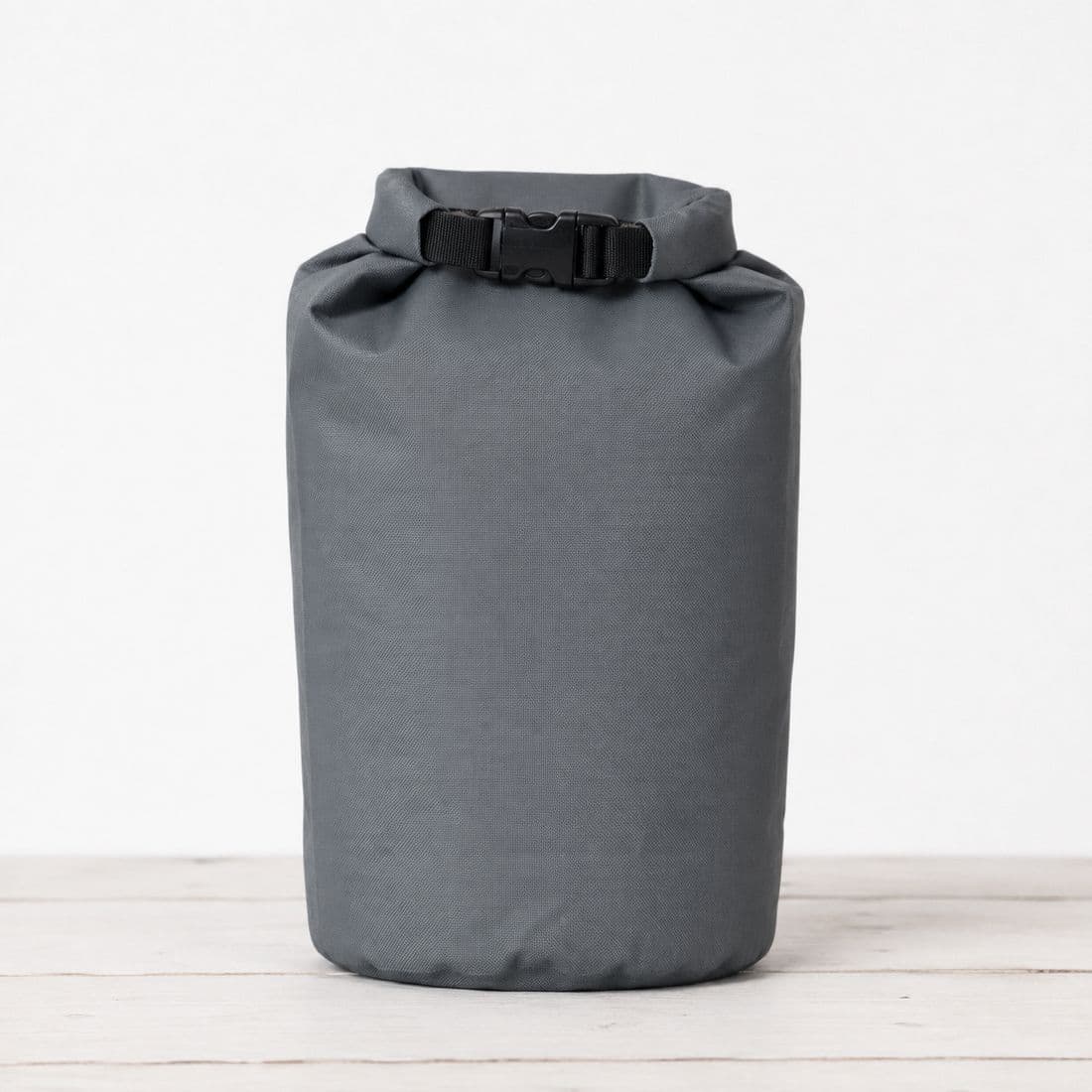
    It does not. A cover is a cover: it does not hold a boat in place, and a roll-top bag is not a flotation aid. Those are separate things, and you buy them somewhere else.